Educational Practices

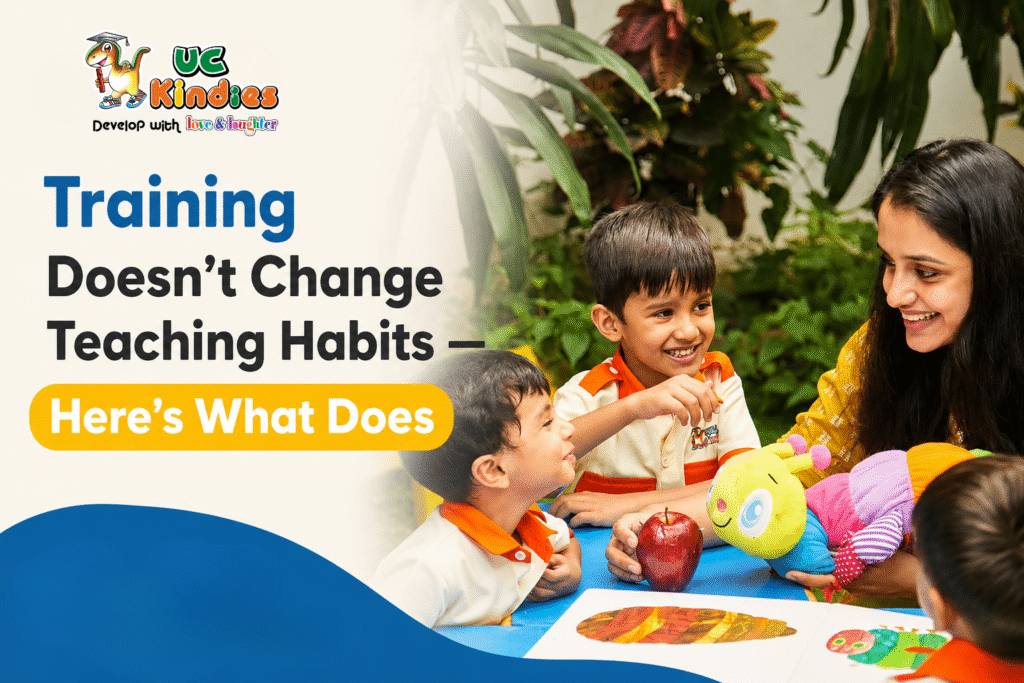
Training Doesn’t Change Teaching Habits — Here’s What Does

By the time we started our school in 2017, I had already been in the education business for seventeen years. Since 2000, I had worked with teachers — but they were part-time, coming in for a couple of hours at a time, mostly for UCMAS and our other centres. So when we set up the school, we assumed teacher training would be more or less the same story: bring teachers in, tell them what to do, train them beautifully, and they would follow the curriculum. We were wrong. The Training Worked. The Retention Didn’t. We hired teachers, trained them, and walked out of those sessions confident. A month later, we walked into the classroom — and they didn’t remember a word of what we’d said. They had gone right back to teaching the way they always had. This wasn’t a one-time gap we could fix with a better session. We ran eight-hour trainings, twice a year, year after year. Back to back. And still, the same pattern repeated itself. The teachers weren’t being defiant — but the way they had learned to teach was so deeply ingrained that it was extraordinarily difficult to unlearn, no matter how well-designed our curriculum was. The clearest sign of the problem: if a teacher had never actually run hands-on activities in their own teaching life, they simply wouldn’t run them in our classrooms either — no matter how clearly the curriculum called for it. You cannot hand someone a plan for an experience they’ve never had themselves. The Turning Point: Stop Training Content, Start Training Practice Eventually, we took a hard decision. We stopped relying on sending over a written curriculum and expecting it to be followed. Instead, we shifted almost entirely to hands-on training. We taught teachers how to read and plan a curriculum, not just handed them one. We ran workshops on how to actually write planners themselves — because a teacher who can build a plan understands the reasoning behind it, not just the instructions.   We also began training from the child’s point of view. What does a child feel when taught the way these teachers had always taught? And how might that child feel differently when given hands-on, activity-led learning instead? Making that contrast tangible — letting teachers feel the difference, not just hear about it — was what training on paper could never do. From there, the training expanded into practical, experiential territory: introducing Montessori materials properly, using movement and dance as teaching tools, building independence in children, and creating classroom discipline through engaging activities rather than instruction and control.   What This Means for Building Reliable Teachers Looking back, the biggest shift wasn’t in what we taught — it was in how. A few things stood out as the real levers of change:   Telling doesn’t transfer. A curriculum document, however well-written, cannot override years of ingrained teaching habits.   Teachers need to experience the method, not just hear about it. Hands-on training — where they do the activity themselves, and feel what a child feels — creates change that lecture-style training cannot.   Teach teachers to plan, not just to follow. A teacher who can write a planner understands the “why” behind an activity, which makes them far more likely to actually run it in class.   Change takes years, not sessions. Ours took repeated, consistent training over several years before it truly stuck. For any school or education business investing in teacher training, this is the real lesson: content-heavy training sessions, however thorough, rarely change what happens behind a closed classroom door. What changes it is putting teachers through the same hands-on, experiential process you want them to give their students.  

Training Doesn’t Change Teaching Habits — Here’s What Does Read More »
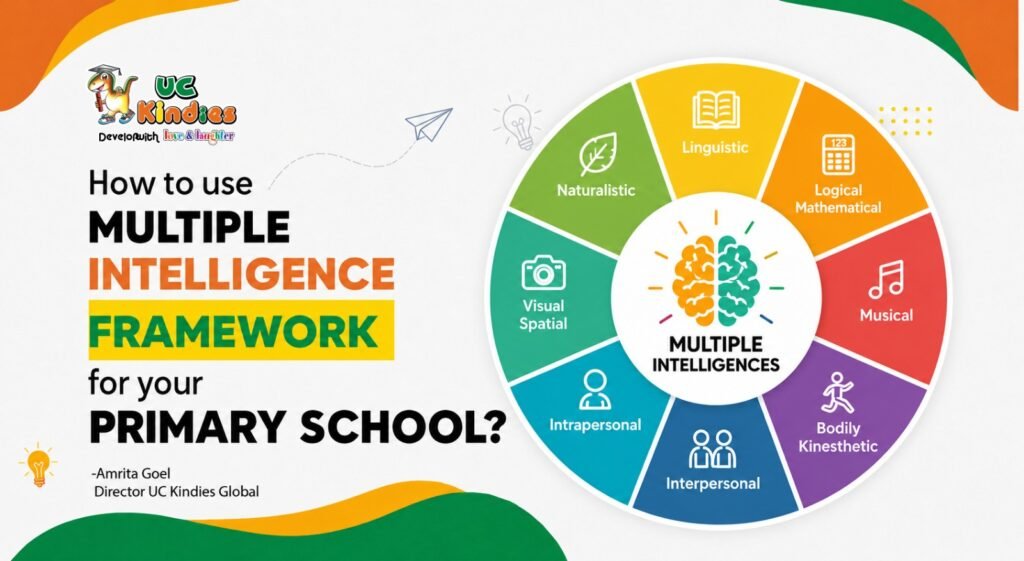
How to use Multiple Intelligence framework for your primary school?

Howard Gardner in 1983 proposed the idea of multiple Intelligences. He worked on the mandate that no two children are the same. Everyone has a dominant sense that they use for learning. Some children learn by singing or with rhythm, some require movement, some need to touch and see to understand, some need to visualize, some need to interact, ask questions for clarity, some learn by imitating, some need a quiet space to learn new concepts- to put things in perspective, some need clear instructions to how to get the work done, someone’s brain is more logical, while somebody’s might be more creative and visual. It is every teacher’s responsibility to tackle this with a well-planned out class. Over the years we found that what worked for one batch doesn’t work for another. Some classes were more interactive, some batches refused to interact and preferred instructional learning. Some loved colors, some loved games, and some developed on free play. So, the teacher needs to understand the batch first. The first month of any primary /pre-primary class needs to be something that helps the teacher to understand the kids and vice-versa. Without assumptions- start with behavioral regulation. Taking about expected behavior in class, with peers, in groups, outside, inside as stories or role play. What constitutes respectful or disrespectful behavior? Set the boundaries early, not later. Observe what the problem areas are, talk about those- bathroom training, food, independence, peer to peer interaction, kindness, sharing…. Now after a month when it comes down to curriculum use Howard Gardener’s multiple intelligence approach. How? Let see. Any concept that is given as a worksheet should be converted into an activity. Not on the board, but as a kinesthetic, movement related activity. For example if we have to teach alternative patterns, the worksheet shows blue, pink, blue, pink? – What comes next? The most inefficient way would be to open the book and myme it out aloud. The child listens, the teacher guides and also gives the answer. (You won’t believe the number of classrooms I have seen this happening in) The other method: Place pom-poms or any object in two colors in the same sequence b-p-b-p-? And ask them what comes next. Works but the child still hasn’t developed the learning. The next method: First-check if the colors (pink, blue) are known Second- can they differentiate and sort colors (shows true understanding) Third- if I show them a pattern and explain how it works (pink comes after blue, and then we place blue again, and then pink, now look at the series created. Blue-then pink, and then again its blue and then again pink, now can you continue this sequence….. And see if the child can continue (give them 10 pieces of each color- build patience and resilience). Fourth- Give them another set of 2 colors and let them create their own. Or give them any 2 -3 articles in groups of 3 or 4 and ask them to create their own sequence and explain how it works for them. That would be a more creative, logical, kinesthetic approach to learning where you would accept that each child has their individual differences and we celebrate that. Fifth- Make an obstacle path (they are familiar with) and have pom-poms/blocks in 4 colors placed on the table. Make 5 cards of alternating color patterns. Keep the card ready for the child. Once he crosses the path, he comes to the table and continues the pattern on the card or copies it (depending on level of understanding). Have a teacher at the table for kids who still haven’t got it yet (but only as a facilitator who helps them to think). Every learning in a class needs to be imbibed through fun, play and creativity. A let’s bring it into our classrooms every day. I wrap up this blog here and will come back with more insights into Primary learning.

How to use Multiple Intelligence framework for your primary school? Read More »

Tips to Prepare Your Child for Their  First Day at  UC Kindies International Preschool.

Tips to Prepare Your Child for Their  First Day at  UC Kindies International Preschool.  Bye-Bye Tears, Hello Cheers! Starting preschool is a big milestone for both little ones and their parents. It marks the beginning of a new journey full of laughter, learning, friendships, and growth. At UC Kindies International Preschool, we understand how special and emotional – this transition can be. Here are 10 easy and effective tips to help your child feel confident, safe, and excited about their first day of school. 1. Talk About School Positively Speak about school as an exciting adventure! Use phrases like: “You’ll get to make new friends!” or “There will be toys, games, stories, and fun.” Children mirror your emotions—so if you’re excited, they will be too.  2. Read School-Themed Books Together Books like “Llama Llama Misses Mama” or “The Kissing Hand” can help children relate to characters going through the same first-day feelings. 3. Establish a Routine Early Begin the school routine a week in advance—wake up time, breakfast, getting dressed. This helps reduce anxiety on the actual day.  4. Let Them Choose Their School Bag or Bottle Giving your child a choice, even in small things like their backpack or lunchbox, builds excitement and a sense of ownership. 5. Practice Short Separations Start with short periods apart to help your child learn that when you leave—you always come back. This makes school-time transitions smoother.  6. Visit the School (if possible) A quick school tour or meet-and-greet with teachers helps children feel familiar and safe in their new environment. UC Kindies often organizes orientation days—don’t miss them! 7. Use Songs or Rhymes About School Preschoolers love songs! Use rhymes like: “This is the way we go to school…” to make it fun and memorable. 8. Listen to Their Feelings Let your child express their fears or excitement. Respond calmly and assure them that it’s okay to feel a little nervous. 9. Label Everything Label bags, bottles, and lunchboxes with their name and a small sticker/icon. It gives them a sense of familiarity and helps teachers, too!  10. Keep Goodbyes Short and Sweet Don’t linger during drop-off. A warm hug, a big smile, and a confident goodbye can go a long way in building trust.  Final Thought The first day of school is just the beginning of a beautiful journey. At UC Kindies, we ensure every child feels welcomed, loved, and encouraged to learn through fun. With your support at home and our nurturing environment at school, your little one is all set to shine!Here’s to new beginnings, joyful mornings, and confident little explorers! at  UC Kindies International Preschool.

Tips to Prepare Your Child for Their  First Day at  UC Kindies International Preschool. Read More »

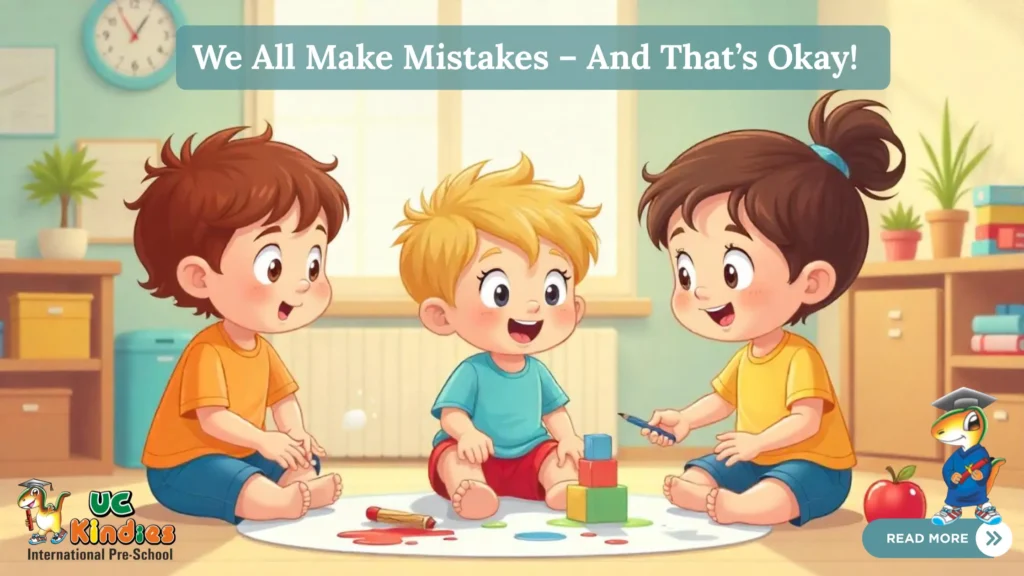
We All Make Mistakes – And That’s Okay!

At UC Kindies International Preschool, we believe every child is growing, learning, and becoming their very best self—one little step at a time! Part of that journey is learning how to make mistakes, and even more importantly, how to accept them. What is a Mistake? A mistake is something that happens when we try to do something, but it doesn’t go quite the way we planned. Maybe you spilled your paint, said the wrong word, or forgot to share your toy. Guess what? That’s okay! Everyone makes mistakes—yes, even grown-ups and teachers! Why mistakes help us to grow? Making mistakes helps us: When children are free to make mistakes, they feel safe and supported. That’s how real learning happens. Accepting our Flaws- Flaws are the little things that make us unique. Maybe you’re still learning to tie your shoes, or sometimes you get shy in front of others. That’s okay too! Everyone has something they’re working on. At UC Kindies, we celebrate our differences. We teach children that: How We Practice this at UC Kindies? We often say:  “Mistakes mean I’m learning!”  “I can do hard things!” What Parents Can Do at Home – At UCKindies, we’re proud to grow brave, kind and curious kids—one oopsie at a time! Limited seats available! Enroll your child today for a fun-filled, learning-packed summer at UCKindies. Our branches :- Indore | Satna| Neemuch | Chhindwara

We All Make Mistakes – And That’s Okay! Read More »

Why Festivals Matter in Preschool Education

Festival celebrations in preschools, such as at UC Kindles International Preschool, play a vital role in early childhood development. These celebrations offer rich, multifaceted learning opportunities that shape young minds in various ways: Understanding Diversity and Inclusion By celebrating a variety of festivals, children learn to appreciate different cultures, fostering respect and inclusion. Exposure to diverse traditions helps build a more inclusive society. Promoting Social and Emotional Development Participating in festivals enhances social and emotional skills. Children learn to work together, express emotions, and develop empathy and kindness through acts of giving and sharing. Enhancing Cognitive and Creative Skills Festival-related activities like storytelling, arts and crafts, music, and dance stimulate cognitive and creative development. These activities make learning fun and help children remember cultural stories and meanings. Strengthening Family and Community Bonds Involving parents and families in celebrations creates a bridge between home and school, fostering a collaborative environment, Multicultural festival days allow the community to engage and learn from each other. Instilling Values and Traditions Children learn important cultural values and traditions, such as gratitude, generosity, and community spirit. These values become an integral part of their character. Festival celebrations in preschools enrich children’s lives by embracing cultural diversity, promoting social and emotional growth, enhancing cognitive and creative skills, strengthening family and community bonds, and instilling core values. These celebrations lay a strong foundation for lifelong learning and development, preparing children to become well-rounded, empathetic, and culturally aware individuals. Swati Yadav Director UC kindles Manoramaganj, Indore

Why Festivals Matter in Preschool Education Read More »

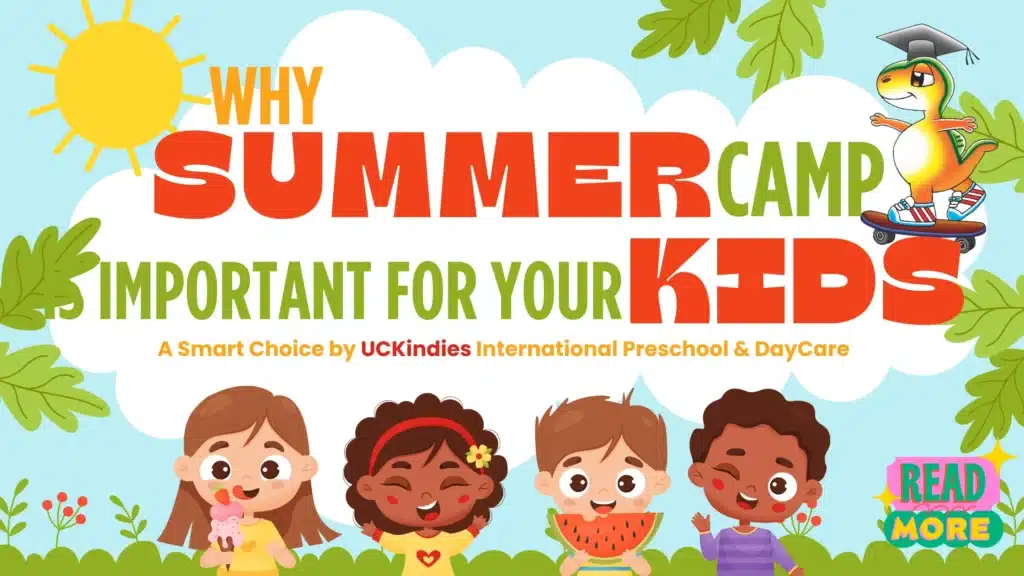
Why Summer Camp is Important for Your Kids

A Smart Choice by UCKindies International Preschool & DayCare Summer holidays are every child’s dream—a break from books, routines, and school bells. But parents often worry about how to keep their little ones engaged in a meaningful way. This is where summer camps step in! At UCKindies, recognized as the Best Preschool in MP, we believe that summer camp is more than just fun—it’s a foundation for growth, learning, and healthy habits. 1. Say Goodbye to Screens, Hello to Real Fun One of the biggest challenges today’s parents face is limiting mobile phone usage. During holidays, kids often end up glued to screens. Our summer camp provides the perfect solution by offering engaging preschool activities for kids that spark creativity, interaction, and learning, away from gadgets. 2. Boost Physical Activity and Activeness Modern lifestyles are making kids less physically active. At UCKindies, our summer camp ensures that every day is packed with movement—be it through dance, outdoor games, yoga, or group exercises. These activities help kids develop motor skills, improve coordination, and stay fit. 3. Build Social Skills & Friendships Summer camp is a great environment for children to make new friends, work in teams, and develop essential social skills. At our Kids Education Center in MP, we foster a positive and inclusive atmosphere where children learn to share, communicate, and respect others. 4. Learning Beyond the Classroom While school teaches academics, summer camp at Uckindies introduces preschool activities for kids that cover a wide spectrum—arts, crafts, music, storytelling, and even beginner science experiments. These activities develop curiosity and broaden your child’s learning horizons. 5. Encourages Independence and Confidence Being in a new environment helps kids step out of their comfort zones. Our summer camp programs at the Best Daycare for Toddlers in MP are designed to allow children to explore, take small risks, and make decisions on their own—helping them become more confident and independent. 6. A Safe & Nurturing Space Parents often worry about safety and care, especially during the long summer breaks. UCKindies is proud to be the Best Daycare for Toddlers in MP, offering a secure, hygienic, and nurturing environment where your child is looked after with love and professionalism. Conclusion Choosing a summer camp at UCKindies isn’t just about filling time—it’s about enriching your child’s summer with meaningful experiences. Whether it’s reducing screen time, boosting activeness, or enhancing learning, our Summer camp has it all. Discover why we’re the Best Preschool in MP, and give your child a summer to remember! 🌞 Limited seats available! Enroll your child today for a fun-filled, learning-packed summer at UCKindies. Our branches :- Indore | Satna| Neemuch | Chhindwara

Why Summer Camp is Important for Your Kids Read More »

Imporatnce of being a mentor for the Preschool Kids

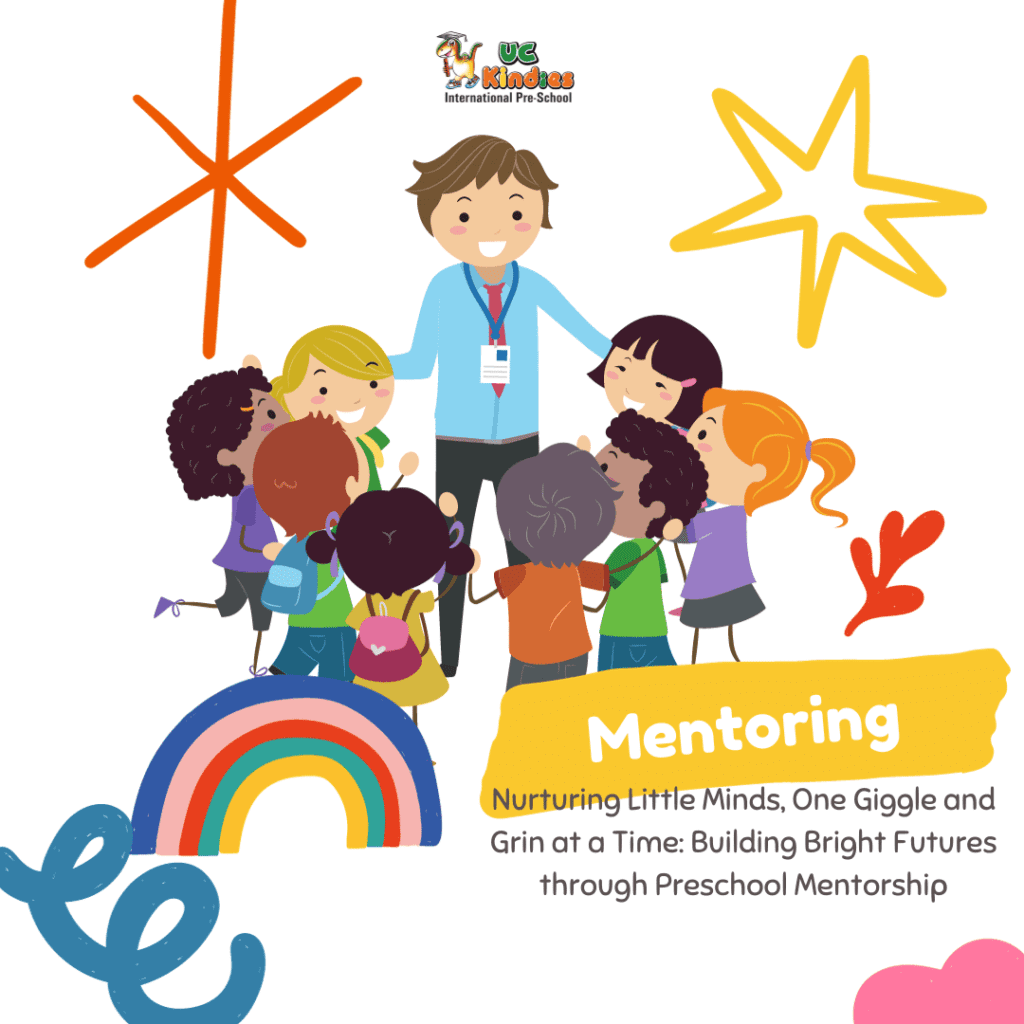
Importance of Being a Mentor to the LIttle Ones

Being a Mentor In today’s world, where most parents are bogged down by their daily routine and technological bombardment and tired from their jobs, most onus for everyday learning comes on the teachers. In a high quality teaching environment it is crucially important to build relationships with children and pay a lot of attention to their thinking process developing and opening channels of communication with the young individual. It’s the teachers’ responsibility to open all their senses to the child’s needs before expecting them to follow instructions. High Quality Teaching A high quality teacher would spend adequate time for curriculum planning and reflection. They attend carefully to the child’s language and find ways to make them thing about or find answers to everday problems. Guidance in such cases is minimal, offering just enough assistance to be helpful but not so much or so little that we end up completing the task for the child. Concepts and ideas and understanding need to be built into the curriculum before wordsheets and guided help are given. Any preschool is proud of its curriculum, that incorporates complex cognitive and interpersonal skills like self-regulation, self-direction, developing individual perspective, forming connections, critical thinking and willingness to try new challenges. Such high quality teachers provide ample opportunities to hear and use complex and interactive language. Their planning supports learning processes and a wide range of socio-emotional skills and active everyday practical learning. These teachers would also involve parents in the child’s learning to take it the required distance. Having observed a lot of teachers’ enthusiasm for class decoration and there is growing evidence that material clutter negatively affects learning. As visual distraction increases, the child’s ability to focus, stay on task and learn new information decreases. So, do look out for a clean clutter free hygienic environment in the school you choose. All in all I would like to end with the best of teachers is a failure if she fails to ignite the flame of inborn curiosity. As Maria Montessori said in a note sent home to the parents, that if we parents failed to recognize evidence of learning in a child who spent the whole day immersed in stories and blocks or trying to make a Styrofoam boat stay afloat, well, that was going to be our problem, not our child’s Being a perfect mentor Here are some tips for being a perfect mentor. Create a Safe and Nurturing Environment Build a positive Relationship Encourage Exploration and Curiosity Promote Social Skills Encourage Independence Provide Structured Routine Support Language Development Be Patient and Flexible Celebrate Achievements

Importance of Being a Mentor to the LIttle Ones Read More »